Kuji
Ruler of Egrisi, ally of Pharnavaz
around 325–280 BC
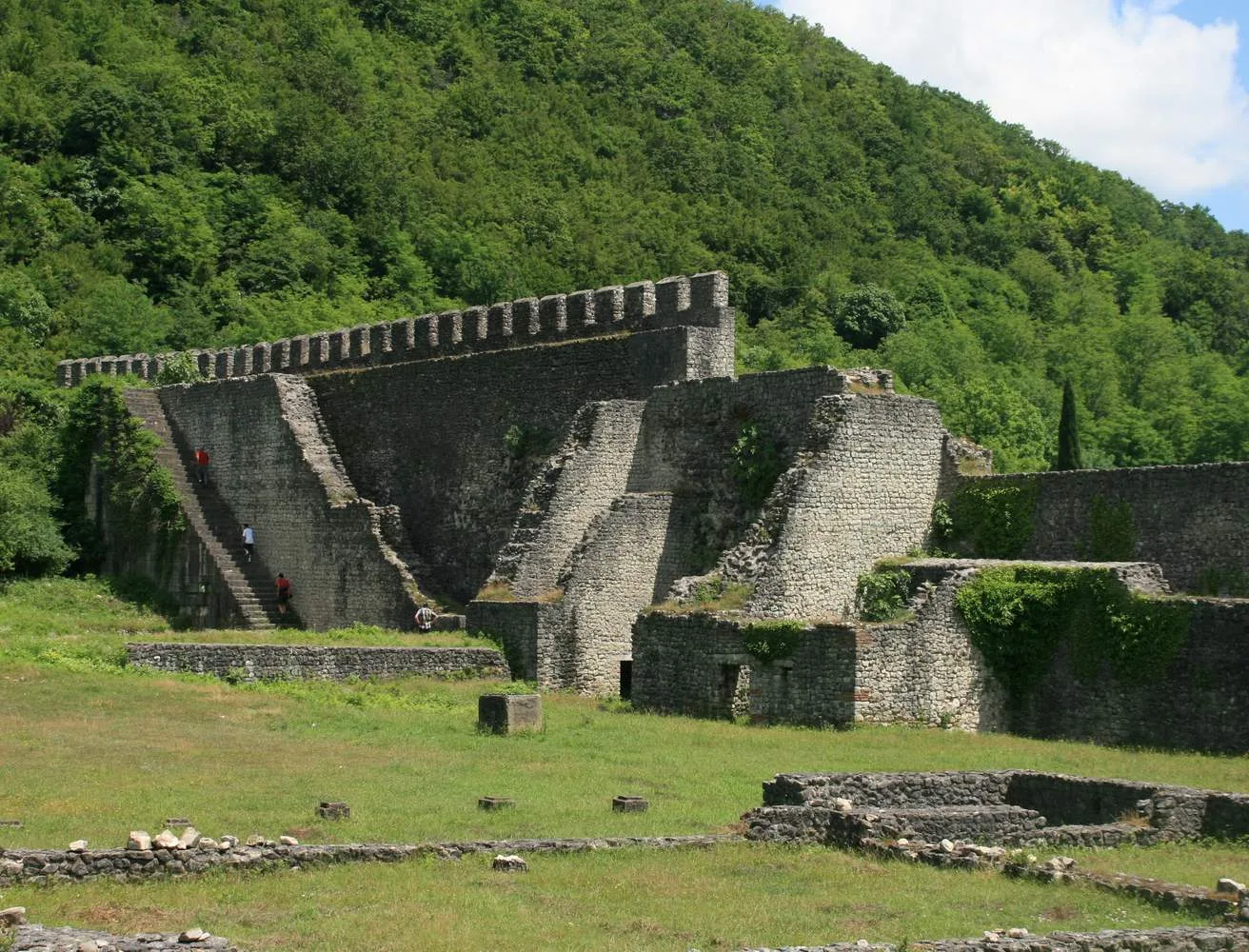
Kuji, according to the Georgian chronicles, was the ruler, the eristavi, of Egrisi, that is, western Georgia, ancient Colchis, at the turn of the fourth and third centuries BC. Georgian tradition dates his rule to around 325–280 BC, but like everything in this early history the dates are approximate. His name is known only from the medieval chronicle “Kartlis Tskhovreba”, and his main role in it is bound up with Pharnavaz.
When the young Pharnavaz resolved to raise Kartli against Azon, he turned to Kuji for help. The ruler of Egrisi accepted his proposal, and Pharnavaz moved to him in Egrisi together with his mother and sisters. The chronicle stresses that Kuji yielded to Pharnavaz the first place in the struggle to unite the country and recognised him as his sovereign. The struggle lasted several years and ended in victory over Azon.
Once king, Pharnavaz gave his sister to Kuji in marriage and so sealed the alliance with kinship; from this marriage, tradition says, several generations later came Kartam, who continued the Pharnavazid line. Kuji is also credited with building the town of Tsikhegoji, “Kuji's fortress”, in the very heart of Egrisi, on the site of today's Nokalakevi, where the Byzantine Archaeopolis later stood. The surviving walls of Nokalakevi date from the early Middle Ages, but the town's name recalls the ruler with whom Georgian tradition begins the union of the country's east and west.