Diauehi and Qulha
The first mentions in cuneiform
12th–8th centuries BC
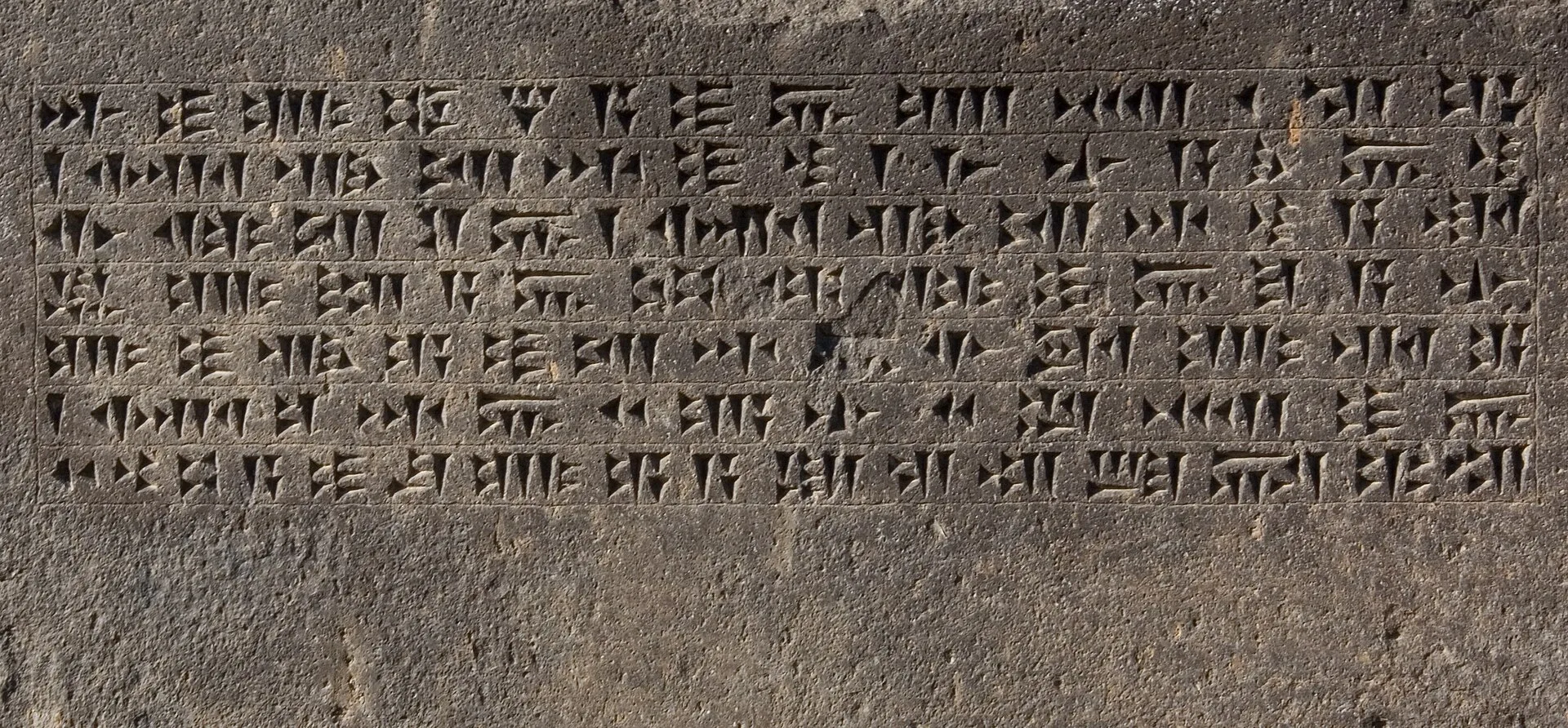
Long before Pharnavaz, lands linked to the ancestors of the Georgians found their way into other peoples' annals carved in cuneiform. Assyrian inscriptions speak of the kingdom of Daiaeni: in 1112 BC King Tiglath-Pileser I defeated its king Sien, took him captive and released him on terms of tribute. In 845 BC another king of Daiaeni, Asia, submitted to the Assyrian Shalmaneser III. Many scholars link Daiaeni with the Diauehi of the Urartian inscriptions, though the connection rests mainly on the similarity of the names.
In the early eighth century BC Diauehi became the target of a powerful new neighbour, Urartu. King Menua seized its chief cities, Zua, Utu and Shashilu, and forced King Utupurshi to pay tribute in gold and silver. His son Argishti I defeated Utupurshi again in 783 BC and annexed his lands, and later put down his rebellion. The core of Diauehi seems to have lain between the headwaters of the Euphrates and the valleys of the Chorokhi and the Oltu, in lands that would later become Georgian Tao; the city of Utu is often identified with modern Oltu, and Sheshetina with Shavsheti.
The historian Ronald Suny called Diauehi an important tribal formation of possible proto-Georgians, but there are other views: Robert Hewsen thought its people spoke a language unrelated to those of the Caucasus. At almost the same time, in the mid-eighth century BC, the Urartian king Sarduri II carved on a stele his victory over the land of Qulha. Where it lay is still debated, but by a widely held view the Greek name Colchis comes from this Urartian name. The inscriptions have not preserved the names of the kings of Qulha.